What Can and Cannot Go in a Roll-Off Dumpster?
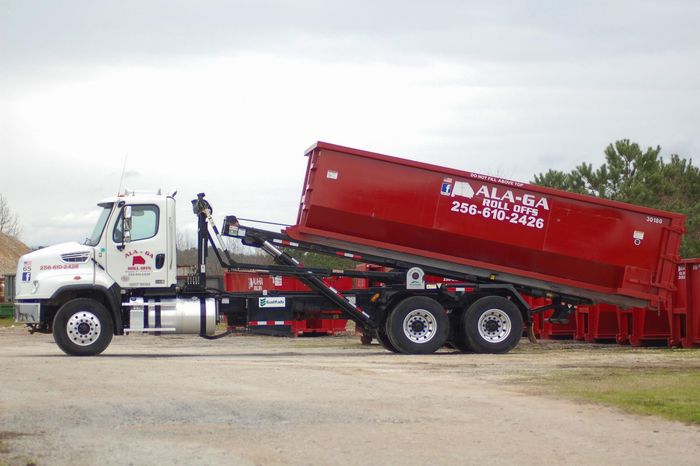
Renting a roll-off dumpster is one of the easiest ways to handle cleanup for a home project, construction job, property cleanout, or commercial site. Instead of making multiple trips to the dump or letting debris pile up, a roll-off container gives you one convenient place to collect unwanted materials and keep your project moving.
But before you start tossing everything in, it is important to know what can and cannot go in a roll-off dumpster. Loading the wrong materials can lead to extra fees, pickup delays, or safety concerns.
Here is a simple guide to help you make the most of your dumpster rental.
What Can Go in a Roll-Off Dumpster?
Roll-off containers are a great option for many types of residential and commercial cleanup projects. They are commonly used for:
Home Cleanouts
If you are cleaning out a garage, attic, basement, storage building, rental property, or entire home, a roll-off dumpster can make the process much easier. Common items may include old furniture, boxes, household clutter, broken items, and general non-hazardous junk.
Remodeling and Renovation Debris
Home improvement projects can create a lot of debris quickly. Roll-off dumpsters are often used for kitchen remodels, bathroom renovations, flooring removal, additions, and general construction cleanup.
Common remodeling materials may include wood, drywall, cabinets, flooring, trim, doors, and other construction debris.
Construction and Job Site Cleanup
Contractors and builders often use roll-off containers to keep job sites cleaner, safer, and more organized. Whether it is a residential build, commercial project, demolition work, or remodeling job, having a dumpster on site helps keep debris in one place.
Roofing Materials
Commercial roofing projects and property cleanup jobs can also benefit from a roll-off container. Roofing debris can be heavy, so it is important to choose the right container size and avoid overloading it.
Furniture Removal
Old couches, chairs, tables, shelving, and other furniture items can usually be placed in a roll-off dumpster as long as they meet disposal guidelines. However, some items, such as mattresses, may come with additional fees, so it is always best to ask ahead of time.
Storm Debris and Site Clearing
After storms, yard projects, or property clearing, roll-off containers can help with debris removal. Depending on the type of material, this may include limbs, brush, and other cleanup debris. If you are unsure whether a specific material is allowed, check before loading.
What Cannot Go in a Roll-Off Dumpster?
While dumpsters are helpful for many cleanup projects, certain materials are not allowed. These items may be unsafe, restricted by disposal facilities, or require special handling.
The following items should not be placed in the container:
- Household garbage or food waste
- Asbestos or materials containing asbestos
- Refrigerants or appliances containing refrigerants, such as refrigerators or AC units
- Liquids, including paint
- Tires
- Batteries
- Electronics, including TVs, computers, printers, monitors, and microwaves
- Mattresses, unless approved ahead of time, as additional fees may apply
When in doubt, it is always better to ask before placing something in the dumpster. A quick question can help avoid problems later.
Don’t Overfill the Container
One of the most important dumpster rental rules is to keep all debris below the top edge of the container. Overfilled dumpsters can be unsafe to haul and may not be picked up until the load is corrected.
If a container is overfilled and cannot be serviced, a trip fee may apply. To avoid delays, make sure debris stays level with or below the fill line.
Be Careful With Heavy Materials
Heavy materials require extra attention. Concrete, dirt, and similar materials can add weight quickly, even if the container does not look full.
Only 20-yard containers may be used for concrete and dirt, and they should not be filled more than ¾ full. All containers have a maximum weight limit of 15 tons, but heavier materials should always be kept well below the top of the container.
If your project involves concrete, dirt, shingles, or other heavy debris, it is a good idea to discuss the project before scheduling delivery so the right container can be recommended.
Think About Dumpster Placement
Before your roll-off container is delivered, take a moment to think about where it should go. Driveways, parking areas, job sites, and open spaces are common placement options, but the surface needs to be able to support the weight of the truck and container.
Roll-off containers and delivery trucks are extremely heavy, and some surfaces may not hold up well under that weight. Drivers will work with you to place the container as safely as possible, but customers should be aware that any property damage caused by the container or truck is the customer’s responsibility.
Also, never attempt to move a roll-off container once it has been placed. If it needs to be relocated, contact the company for assistance.
A Simple Cleanup Solution for Big Projects
Whether you are tackling spring cleaning, remodeling your home, clearing out a property, managing a construction site, or handling commercial cleanup, a roll-off dumpster can save time and make the entire process more organized.
The key is choosing the right container, loading it properly, and knowing what materials are allowed before you get started.
ALA-GA Roll Off Container, Inc. offers roll-off containers in a variety of sizes and pricing options for residential and commercial projects. From home cleanouts and renovation debris to construction cleanup and site clearing, our containers provide a flexible solution for keeping debris contained and your project on track.
0 Comments